Event Types
NewsAbout event
ERIAFF Conference 2026: Regional innovation supporting European agri-food and forestry systems
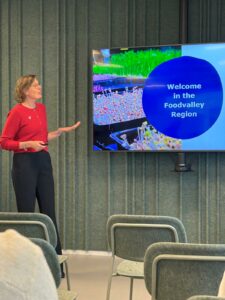
From 11 to 13 May 2026, the ERIAFF annual conference was held in Amsterdam, bringing together institutional stakeholders, clusters, European regions, researchers, businesses and innovation organisations to address a key challenge: building more sustainable, resilient and competitive regional agri-food and forestry systems.
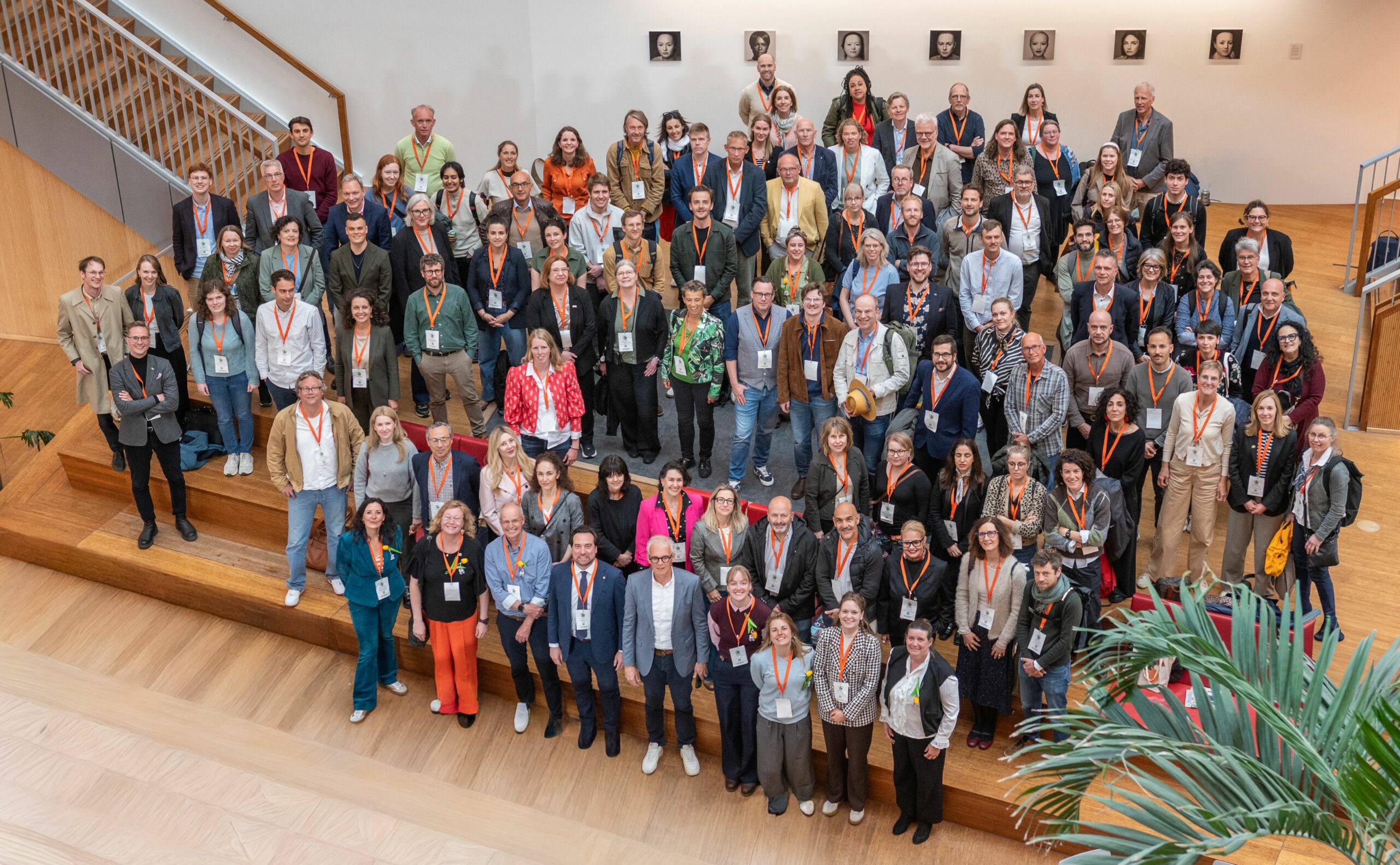
The theme of this 12th edition was: “Regional agri-food & forestry systems: balancing economic, ecological, environmental and social innovations”. The programme combined lectures, working groups, field visits and networking sessions to encourage the development of new European collaborations.
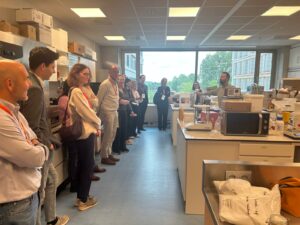
Alongside the conference sessions, participants took part in a study visit organised in the regions of Gelderland and Overijssel, focusing on the protein transition and the valorisation of food by-products. This visit highlighted a value chain approach that integrates the development of new technologies, knowledge sharing and the prevention of food waste.
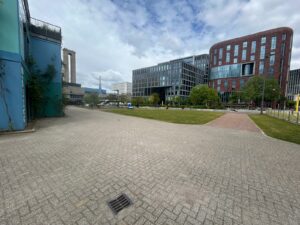
In particular, the delegation explored the ecosystem of Wageningen University & Research and the Wageningen campus, a European leader in the fields of agriculture, food and the bioeconomy. The visit continued at OnePlanet Research, an innovation centre founded by imec, WUR, Radboud University and Radboudumc, specialising in digital technologies and nanotechnologies applied to agriculture, food, health and the environment.
A highlight of the visit was a session featuring pitches from innovative start-ups specialising in protein transition and upcycling. Several companies presented their innovative solutions and technologies:
- Revyve, which develops yeast-based texturising ingredients to offer natural, animal-free alternatives;
- Grassa, which utilises grass as a source of protein and high value-added ingredients;
- NoPalm Ingredients, specialising in the sustainable production of oils and fats from food by-products through fermentation;
- Natulatte, which offers plant-based solutions for beverage vending machines;
- as well as De Bonenboet, focused on the production of sustainable ingredients for the market in plant-based and hybrid meat alternatives.
These presentations illustrated the dynamism of the Dutch ecosystem in the fields of alternative proteins, fermentation and the circular economy, whilst highlighting the importance of supporting start-ups to accelerate the transition towards more sustainable and resilient food systems.
Discussions also focused on adapting agricultural systems to climate change, the competitiveness of food supply chains, generational renewal in the agricultural sector, and the strategic role of regions in accelerating environmental and economic transitions.
Through the various working sessions and B2B meetings, the conference once again confirmed the importance of European networks in fostering the emergence of collaborative projects, the sharing of best practices, and the development of innovations that benefit local areas.